
Hurrying has its place. I thought it meant efficiency. And the more I hurry the more I can do in this short period of time we all get on this blue planet.
In true emergencies, speed matters. We rush toward safety. We act quickly to protect, to help, to respond. Urgency is appropriate when something is truly on the line.
The problem is that we are living as if everything is an emergency.
For a long time, I didn’t realize how deeply this had shaped me. I wasn’t just moving fast in my work or my schedule—I was moving fast in everything. Even eating.
I would finish meals quickly, barely noticing them, already thinking about the next thing. Food became fuel to get me to the next task instead of an experience to be enjoyed. I didn’t linger. I didn’t pause. I didn’t rest. Speed felt normal. Slowness felt uncomfortable.
When Fast Becomes a Way of Being
Over time, I realized that my pace wasn’t about efficiency—it was about urgency. I lived with a constant internal pressure to move, to keep up, to stay ahead. Even when nothing was actually wrong, my body behaved as if something was.
Hurrying has a way of convincing us that if we slow down, everything will fall apart. But what I discovered was the opposite: moving fast all the time was quietly eroding my ability to be present.
Unhurried Is Not Lazy
Choosing to slow down required me to confront a lie I had believed for years—that unhurried meant lazy, unmotivated, or behind.
It doesn’t.
An unhurried life is not passive. It is intentional. It is choosing to eat a meal without rushing, to listen without glancing at the clock, to finish one thing before starting the next. It is working hard without living in a constant state of pressure.
Unhurried people still show up. They simply refuse to let urgency dictate their worth.
When Everything Feels Urgent, Nothing Is Sacred
Living in a constant state of urgency flattens life. When everything feels critical, we lose discernment. We stop responding thoughtfully and start reacting reflexively.
Slowing down—whether at the dinner table or in the middle of a busy day—becomes a way of reclaiming what is sacred. It reminds us that some things cannot be rushed without losing their meaning.
Slow Living Households
Slow living doesn’t mean life is quiet or easy. Especially in households filled with responsibilities, schedules, and people—it is full.
But a slow living household is one where the pace is chosen, not imposed.
It looks like:
- Meals that are eaten together, not rushed through
- Schedules with margin instead of constant back-to-back commitments
- Conversations that are allowed to run long
- Rest that is protected, not earned
- Presence valued more than productivity
In these homes, the goal isn’t to do everything—it’s to do what matters well. And This is what I have decide I’m going to focus on for my home this year!
rooms that create space to live more slowly without guilty or urgency.
Choosing a Different Pace
Slowing down didn’t happen overnight for me. Often I still remind myself to be ok with slower. This is not the first blog on this topic! In our world It is a topic that must be studied and relooked at often. Noticing myself as a little girl rocking my dolly slowly without feeling rushed to hurry through it. A little girl involved in practicing slowness! How quickly I move from one thing to the next, now. How uncomfortable stillness can feel.
Choosing an unhurried life is still a daily decision. It means resisting the pull to treat every moment like an emergency. It means trusting that life doesn’t fall apart when I slow down—but often becomes more whole.
Because life was never meant to be lived in a constant state of urgency. It was meant to be tasted, noticed, and lived—one unhurried moment at a time.
For a long time, slowness didn’t feel virtuous to me—it felt biblically wrong.
Scripture warns us about the sluggard. Proverbs speaks clearly about laziness, procrastination, and wasted time. I took those verses seriously, but somewhere along the way I blurred an important distinction. I began to equate unhurried with undisciplined, and slow with wasteful.
Being unhurried felt irresponsible. Like poor time management. Like leaving minutes on the table that could have been used more efficiently. If I slowed down—especially in small, ordinary things like eating or transitioning between tasks—it felt indulgent, even sinful. I told myself that faithful stewardship meant moving quickly and squeezing the most out of every moment.
But Proverbs doesn’t condemn slowness—it condemns avoidance.
The sluggard delays what should be done. The unhurried person is present with what is being done. Those are not the same.
Proverbs praises diligence, wisdom, and discernment—not frantic speed. “The plans of the diligent lead surely to abundance” (Proverbs 21:5), not the plans of the hurried. Wisdom requires attention. Diligence requires intention. Neither requires living in a constant state of rush.
What I eventually realized was that my pace wasn’t about stewardship—it was about control. Moving fast made me feel efficient. Slowing down felt like wasting time because I had learned to measure faithfulness by output instead of presence.
But an unhurried life doesn’t waste time—it redeems it. It allows us to do the right things at the right pace, with care instead of compulsion. It teaches us that wisdom often moves slower than urgency, and that faithfulness is not proven by how fast we go, but by how well we attend to what God has placed in front of us.
As the year comes to a close, you may feel the quiet weight of comparison. The sense that you’re not quite where you should be. That the gap between where you are and where you hoped to be is narrowing the calendar and quickening your pace. That’s my phrase this year: “Close the Gap”. But I am not doing it with frantic speed.
Urgency has a way of showing up loudly at the end of a year. It whispers that if you just work harder, move faster, push a little more, you can make up for lost time. But wisdom invites a different response.
You do not need to rush your becoming.
Slow living is not resignation—it is trust. Trust that growth cannot be forced by pressure. Trust that fruit ripens in its own season. Trust that faithfulness is not measured by how quickly you arrive, but by how present you are along the way.
This is permission to finish the year unhurried. To take inventory without self-punishment. To rest without guilt. To step into the new year not with frantic resolve, but with steady intention.


 Creating Exceptional
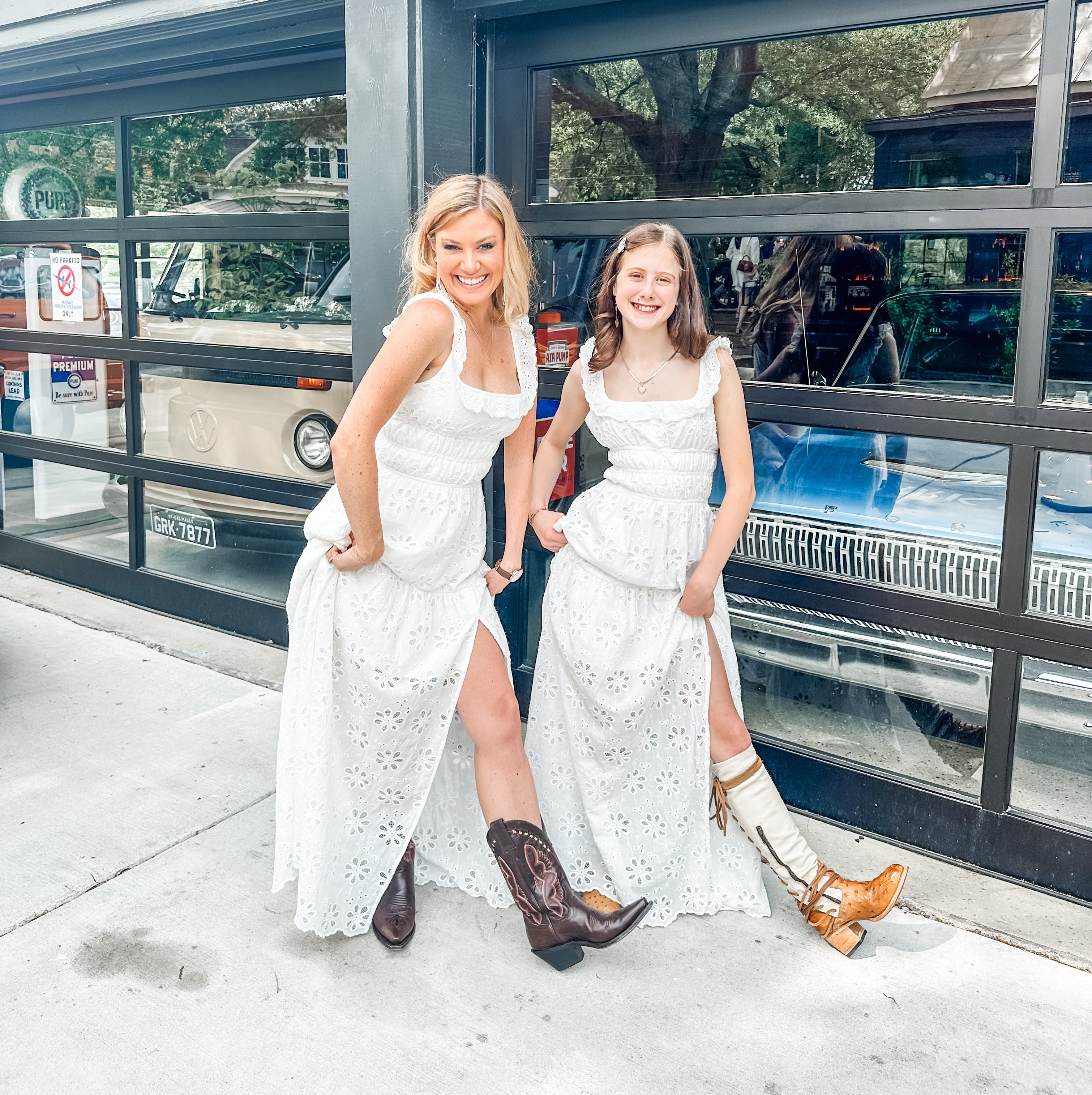
Love this and the pic. I remember those days. I also remember eating dinner together and book reading time. Family prayer ….
I now too have been hurrying. Thanks for this!
LikeLiked by 2 people